In the field of power system relay protection, secondary current injection testing is the core means of verifying the logical correctness and operational reliability of protection devices. With the rapid advancement of smart grids and digital substations, how to choose a secondary current injection tester that is suitable for actual needs has become a practical problem faced by many power operation and commissioning teams.
Clear testing scenario: division of labor between secondary injection and primary injection
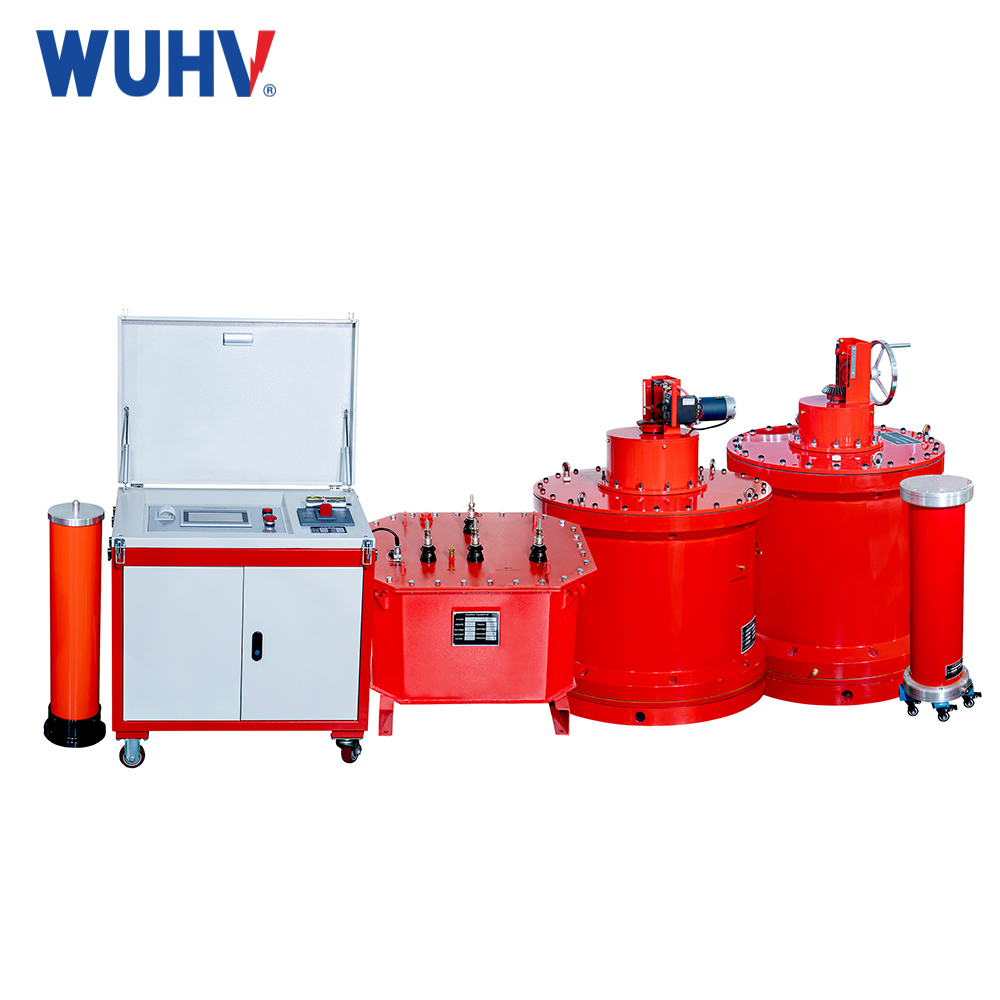
The first step in choosing a secondary current injection tester is to clarify its boundary with the primary current injection test. A current injection test directly applies simulated fault current to a primary circuit, covering the full chain verification from circuit breakers, transformers to protection devices. It is suitable for scenarios such as new station operation acceptance and full chain verification after faults. The secondary current injection equipment applies small current and voltage signals to the secondary circuit of the relay protection, and independently tests the logic, action threshold, and action time of the protection device. It is suitable for single device calibration and laboratory logic verification in daily operation and maintenance.
There is a significant difference in output parameters between the two: the output current of a single injection device ranges from a few hundred amperes to tens of thousands of amperes, and the power can reach hundreds of kVA; The output current of the secondary injection device is generally 0-30A or 0-60A, with a power of only a few hundred VA, and a regular on-site socket can meet the power supply needs. Clarifying this distinction can avoid directional errors in procurement - some operation and maintenance teams have purchased high-power primary injection equipment due to unclear equipment differences, but as a result, they cannot use it for daily operations and have to purchase additional portable secondary injection equipment, resulting in unnecessary cost waste.
Output capacity and channel configuration: match the tested protection type
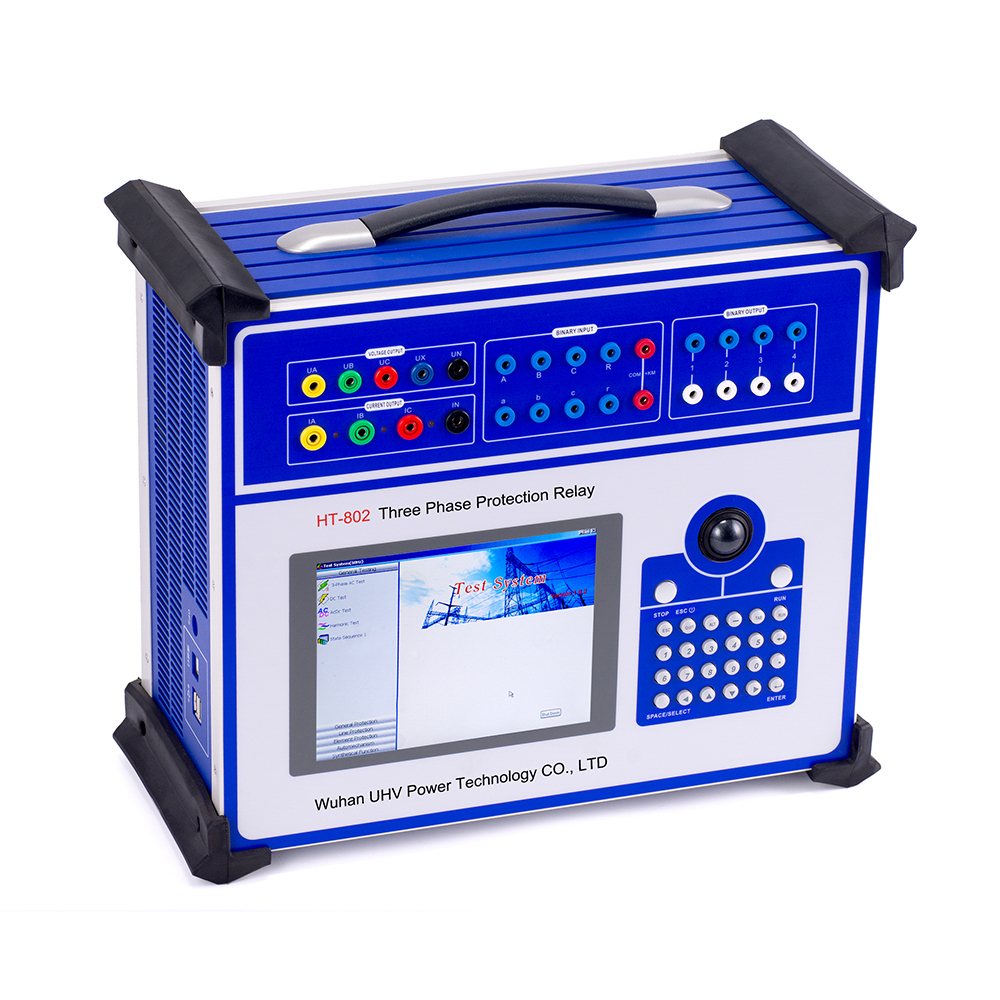
Output capacity is the core parameter for selection. Modern three-phase relay protection testers typically cover an output range of 0-100A per phase, and some products can be extended to higher ranges. For scenarios that require testing complex protection schemes such as transformer differential protection and busbar protection, the six phase tester can provide twelve independent sources (six currents, six voltages), which can complete synchronous injection on both high and low voltage sides in one wiring, avoiding efficiency losses and misoperation risks caused by multiple tests or manual wiring changes.
Accuracy: an undeniable technical bottom line
Accuracy directly affects the credibility of test conclusions. The current output accuracy of mainstream secondary injection testers has reached level 0.2 or even higher, and some high-end products can provide an output accuracy of 0.05%, allowing them to serve as a reference power supply and complete the calibration of integrated metering modules while verifying protection logic.
Portability and on-site adaptability
The development of digitalization and renewable energy has brought new operational scenarios - wind farms and photovoltaic power plants are often located in remote areas, and equipment weight directly affects on-site operational efficiency. Traditional six phase testing equipment often requires multiple people to transport, while the new generation of products has compressed the weight of the six phase full function tester to less than 10 kilograms, allowing a single person to complete complex digital debugging tasks. Wuhan UHV also pays attention to on-site adaptability in high current generator products. The weight of small capacity air-cooled models is controlled within 50 kilograms, equipped with reinforced handles and rollers, and can be transported by two people. The large capacity models adopt a split design to reduce the weight of individual components.
Choosing a secondary current injection tester is essentially about finding the best balance between testing accuracy, output capacity, digital compatibility, and on-site portability. It is recommended that the procurement team clarify the type and communication protocol of the tested protective device based on the actual maintenance scope, and prioritize selecting equipment that meets the latest industry standards and supports digital interfaces. For teams involving both primary and secondary testing requirements, it may be considered to choose a complete set of equipment from the same manufacturer to reduce system compatibility risks.