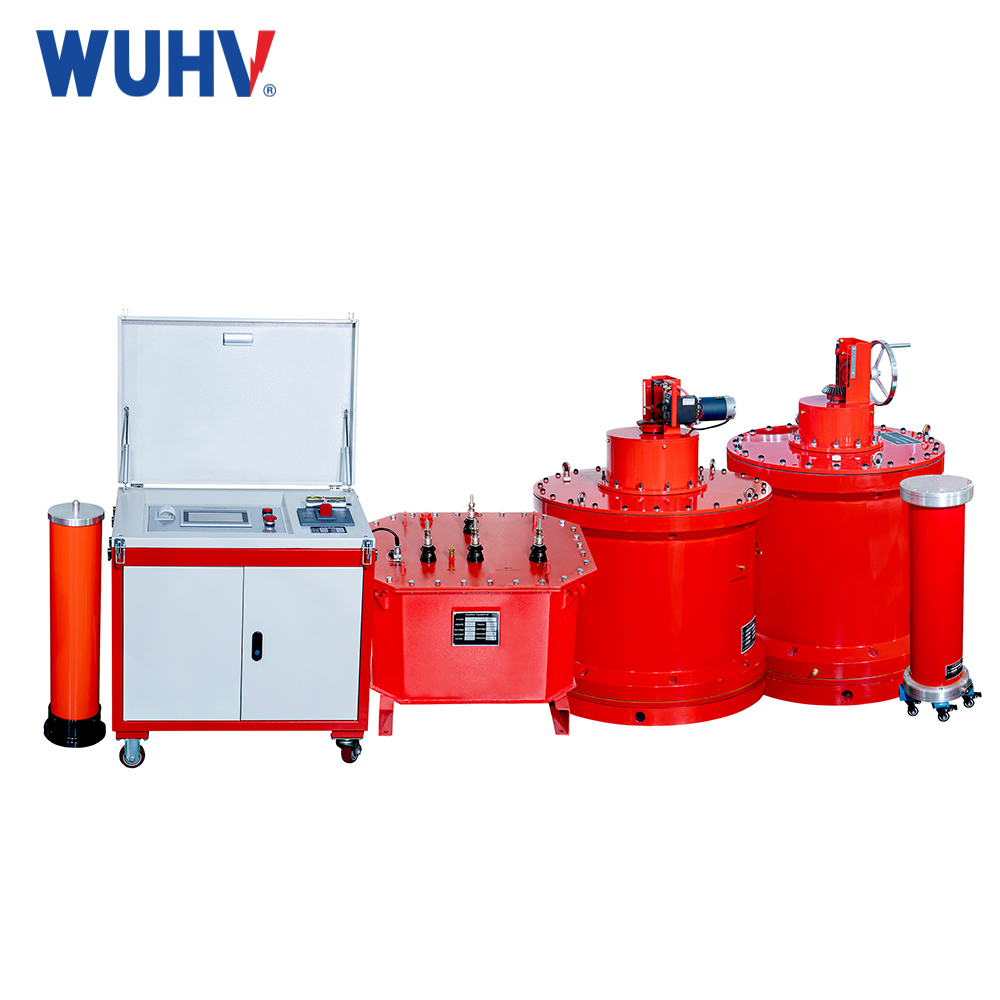
Are you still troubled by the occasional "little troubles" with low-voltage cables? A sudden malfunction not only affects normal power supply, but may also cause significant losses. But don't worry, today we will talk about low-voltage cable fault detection and see what good methods can help us quickly and accurately find the "root cause".
What is low voltage cable fault detection?
Simply put, low-voltage cable fault detection is the use of various technical means to identify where the low-voltage cable buried underground has gone wrong. It's like a doctor treating a patient, identifying the cause in order to prescribe the right medicine. Common types of faults include ground faults, short circuit faults, open circuit faults, and so on.
What are the factors that affect fault detection?
This is not an easy task, as many factors can cause trouble
Cable burial depth and environment: The deeper the burial, the greater the difficulty of detection. The surrounding soil moisture and the presence of other metal pipes can all affect signal propagation.
Types and nature of faults: Some faults are "hidden" and difficult to detect; Some are very obvious, but may have already caused significant damage.
Surrounding electromagnetic interference: Various devices operating in the city have chaotic electromagnetic signals that may interfere with our detection signals.
What 'artifacts' can help us?
Nowadays, with such advanced technology, there are certainly specialized tools to assist. Wuhan UHV Power Technology Co., Ltd. has many good things in this regard!
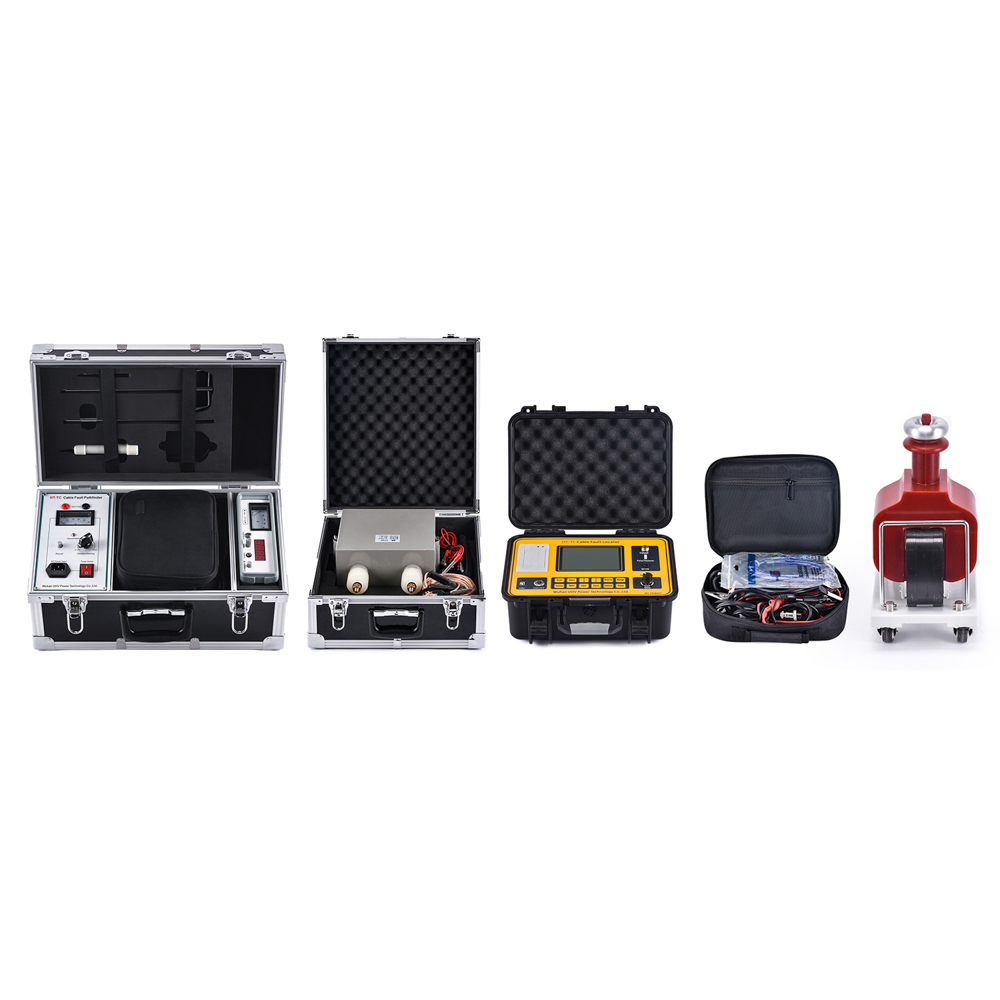
Cable fault tester: This is the most essential equipment that can measure the parameters of cables and assist in determining the location of faults.
Positioning device: When used in conjunction with a testing device, it can more accurately locate the fault point.
High voltage generator (some equipment): Some faults require high voltage to be applied for excitation, in order to facilitate detection.
How can we do better?
To achieve fast and accurate fault detection of low-voltage cables, you can start from the following aspects:
Familiarity with device principles: Understanding the principles and operating methods of the devices in your hands is the foundation for efficient detection.
Combining multiple methods: Do not rely solely on one approach. You can first use rough positioning method, and then use precise positioning method to verify from multiple aspects.
Pay attention to historical data: Record daily cable operation data, which can be compared with historical data in case of any problems, making it easier to detect anomalies.
Professional team support: When encountering complex situations, it is always wise to seek help from professionals. For example, Wuhan UHV Power Technology Co., Ltd. provides professional services and technical support to help us solve problems.
Practical application cases
Recently, a section of low-voltage cable in an industrial park has experienced unstable power supply. After receiving the repair report, on-site technicians immediately rushed to the scene with cable fault testers and locators. They conducted preliminary measurements of the line parameters and found abnormal data, preliminarily determining it as a grounding fault. Subsequently, they utilized advanced equipment from Wuhan UHV Power Technology Co., Ltd. to conduct detailed scans along the cable line through multiple pulse reflections and sound wave detection. Finally, about 150 meters away from the substation, a cable damage point caused by excavation was successfully located and repaired in a timely manner, restoring normal power supply.
FAQ
Q1: What is the accuracy of the low-voltage máy dò lỗi cáp? A1: Different devices and detection methods may have varying levels of accuracy, which can generally achieve meter level or even more precise positioning.
Q2: What factors will affect the efficiency of cable fault detection? A2: Mainly includes cable burial depth, soil resistivity, surrounding environmental interference, and the nature of the fault itself.
Q3: Apart from using professional equipment, what other methods can assist in diagnosing faults? A3: It is possible to observe abnormal phenomena during cable operation, such as odor, heat, grounding switch tripping, etc., which can provide clues.
Q4: Why is it said that the products of Wuhan UHV Power Technology Co., Ltd. have advantages in low-voltage cable fault detection? A4: They focus on the research and development of power equipment, and their products usually have characteristics such as high precision, good stability, and easy operation, which can effectively improve detection efficiency and accuracy.
Q5: What are the benefits of regularly inspecting low-voltage cables? A5: Regular inspections can promptly identify potential hazards, prevent malfunctions, extend cable lifespan, and ensure power supply reliability.